Creative Practice, Collaboration and Inclusive Teaching
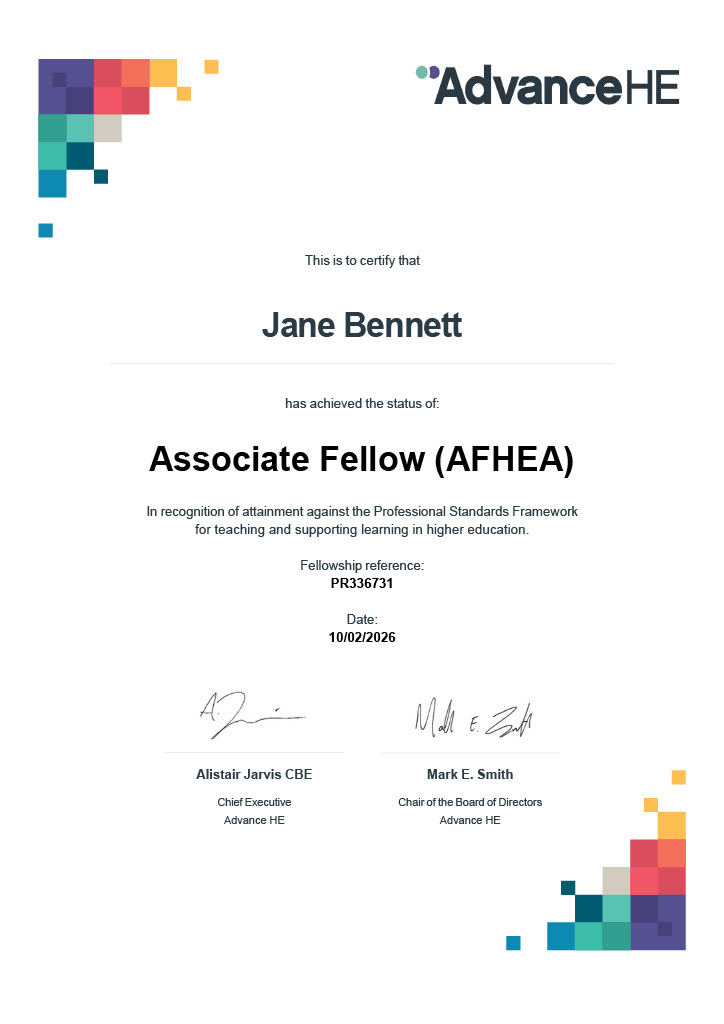
I’m really pleased to share that I’ve been awarded an Associate Fellowship (AFHEA).
For me, this recognition reflects something that has been quietly shaping my practice over the past few years: a commitment to creative, neuro-inclusive teaching grounded in collaboration.
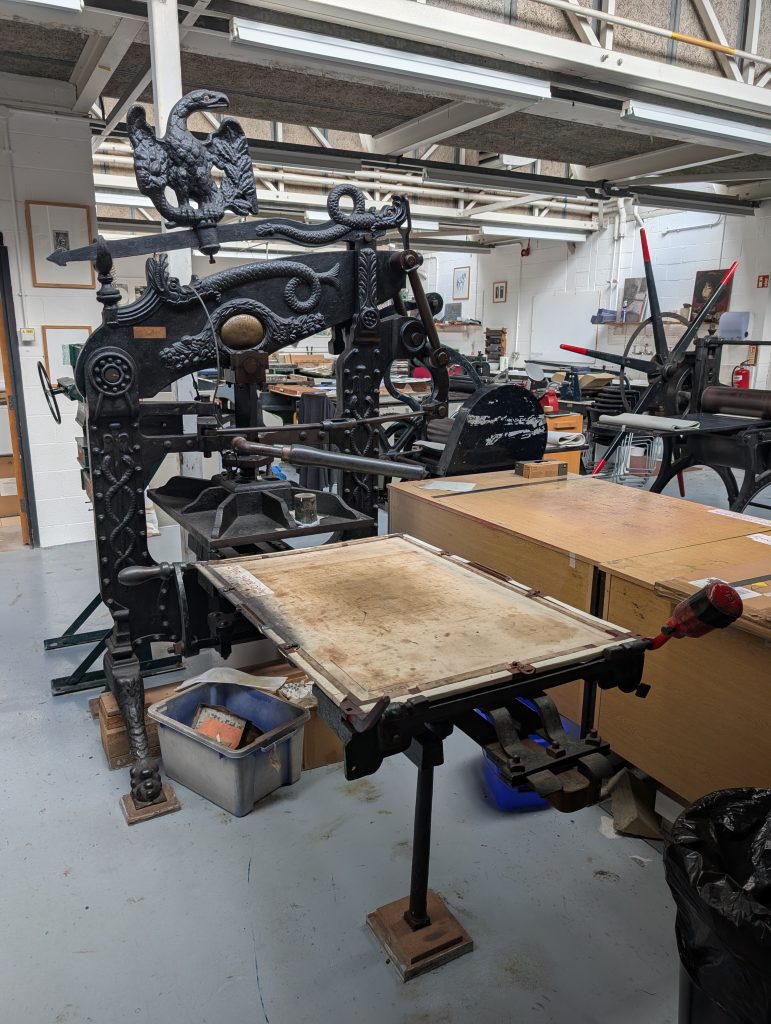
Most of my teaching happens in print studios, working with presses, ink and process-heavy techniques that can feel daunting at first. I design sessions carefully, building in visual workflows, staged demonstrations, and deliberate pauses that help build confidence.
By facilitating learners to approach complex equipment with confidence rather than anxiety. These choices are shaped by research and by listening closely to students. Neurodivergent learners, in particular, have taught me the importance of clarity, pacing and reassurance. Small structural shifts can transform a learning experience.
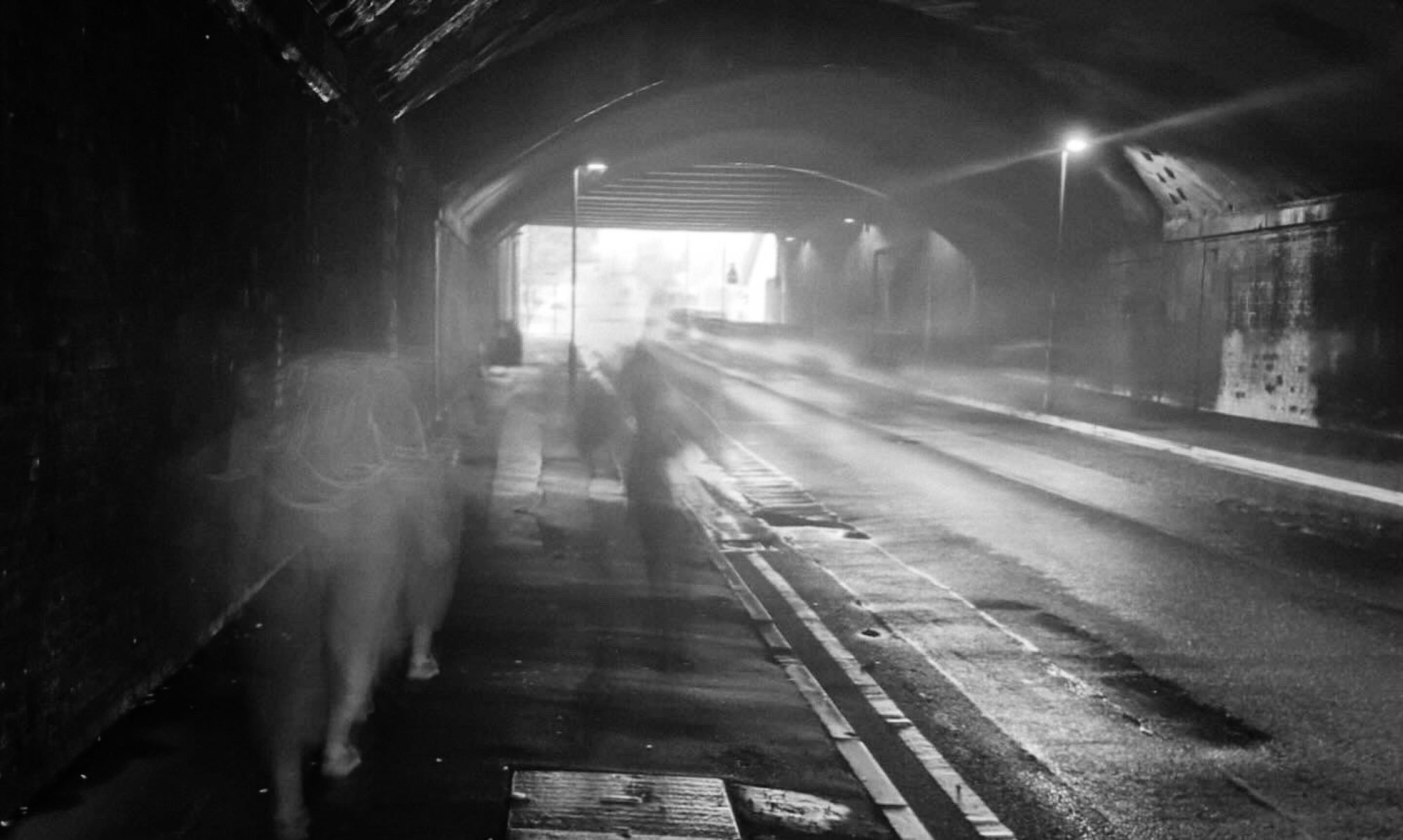
Collaboration has also become central to how I teach. A recent highlight was facilitating a workshop in Istanbul with Sarah Hall, where we co-developed an embodied walking and drawing session for MA students and conference delegates. Working alongside Sarah reinforced how powerful co-teaching can be. We balanced structure with openness, modelling dialogue, reflection and creative risk in real time. The workshop reminded me that teaching is not a solo act; it is relational. Knowledge emerges through shared noticing, conversation and trust.
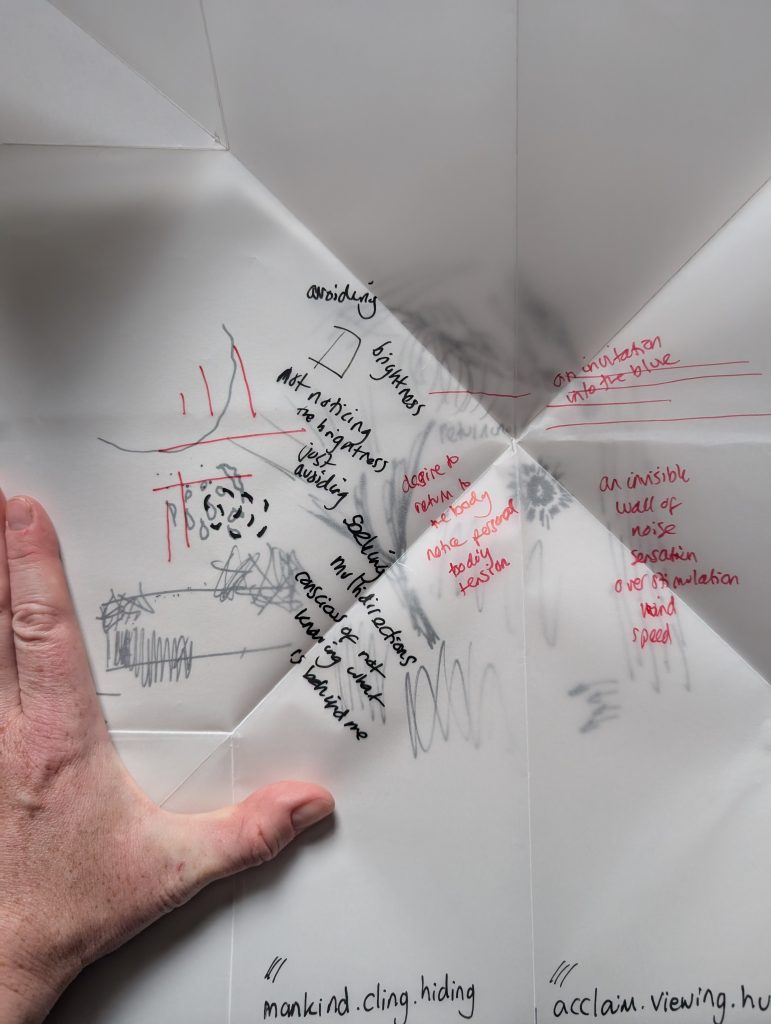
Whether in Preston or Istanbul, I’m increasingly aware that inclusive teaching depends on collaboration — with colleagues, with students, and with the methods themselves.
This Fellowship feels less like an endpoint and more like a marker in an ongoing process of reflective, collective practice.